
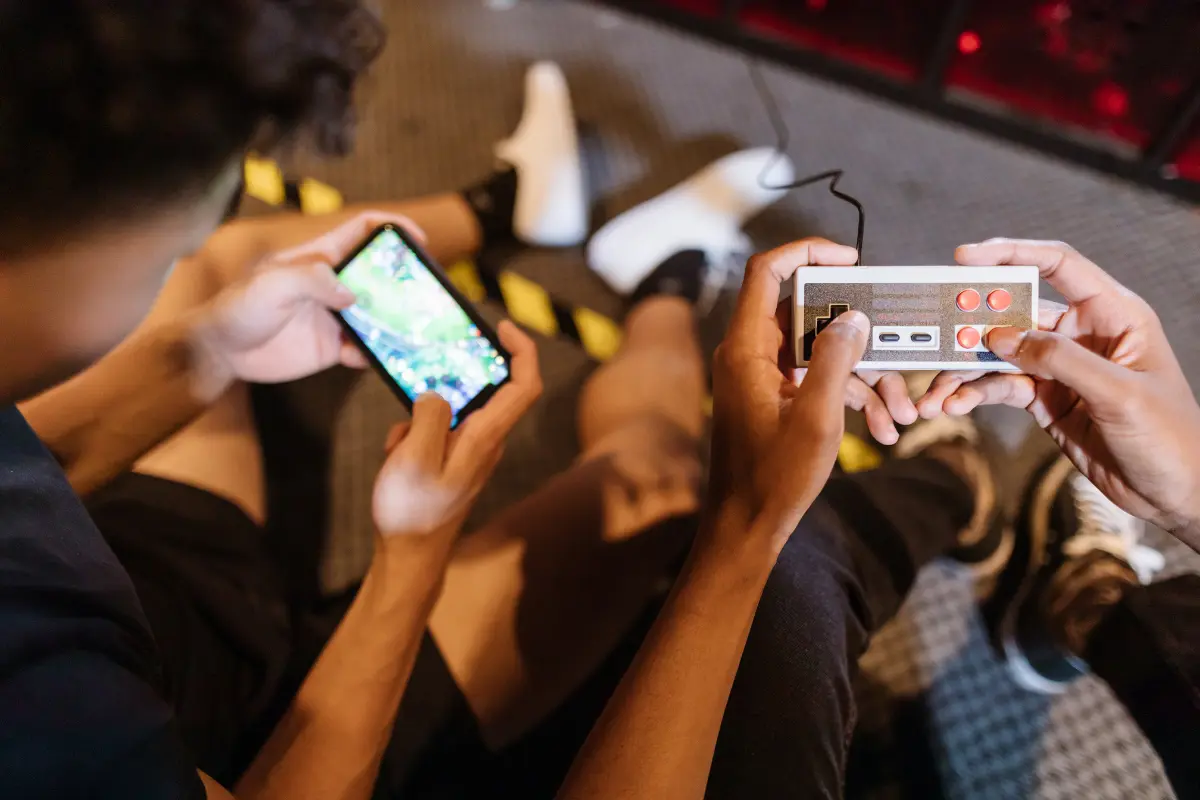
Online games are often misunderstood. Many people think they isolate you from the real world. But if you look closely, you will see a very different picture. Online games are not just about playing—they are about connecting, communicating, and building relationships.
In today’s digital age, where people are busy and often physically distant, online games have become one of the easiest ways to stay socially active. Whether you are a student, a working professional, or someone looking to relax, online games can help you interact with others in meaningful ways.
Let’s explore how online games actually help improve your social interaction and why they are more valuable than they seem.
The New Social Space: Gaming as a Digital Hangout
Think about how people used to socialize earlier. They met in parks, cafes, or at social gatherings. Today, things have changed. People are busier, cities are larger, and distances are greater. This is where online games step in.
When you log into an online game, you are not just entering a game—you are entering a shared space. It is like a virtual hangout where people come together with a common purpose.
You can:
- Talk to friends while playing
- Meet new people with similar interests
- Spend time together even if you are far apart
For many people, gaming has replaced traditional ways of socializing. It gives you a space where you can relax, talk, and enjoy with others at the same time.
Real-Time Communication Improves Your Social Skills
One of the biggest benefits of online games is communication. Most multiplayer games require you to interact with others constantly.
You may:
- Give instructions
- Ask for help
- Share information quickly
- React to situations in real time
This type of communication is very different from normal chatting. It is fast, practical, and often requires clarity. Over time, this improves your ability to express yourself clearly.
If you are someone who struggles to speak confidently, online games can help you practice without pressure. You are not being judged based on your appearance or background. You are simply another player in the game.
This makes it easier for you to open up and communicate.
You Learn Teamwork Without Realizing It
Most popular online games are team-based. You cannot win alone. You need others, and others need you.
This creates a natural environment for teamwork.
While playing, you learn:
- How to cooperate with different personalities
- How to share responsibilities
- How to support others
- How to handle conflicts
For example, if your team loses, you learn how to handle disappointment together. If you win, you celebrate as a group. These experiences build a strong sense of connection.
You may not notice it, but these are the same skills you use in real life—at school, at work, and in relationships.
Online Games Help You Make Friends Easily
Making friends in real life is not always easy. It can feel awkward, especially if you are shy or new to a place.
Online games remove many of these barriers.
When you play a game, you already have something in common with others—the game itself. This makes it easier to start conversations.
You might:
- Add someone after a good match
- Play regularly with the same group
- Join gaming communities or teams
Over time, these interactions turn into friendships. You start talking not just about the game, but about life, interests, and experiences.
Many people have formed long-lasting friendships through online games. Some even meet in real life later.
A Safe Space for Introverts and Shy People
If you are someone who finds social situations difficult, online games can be very helpful.
In real life, social interaction can feel overwhelming. You may worry about what to say or how others will judge you.
Online games reduce this pressure.
You can:
- Communicate at your own pace
- Use text or voice, depending on your comfort
- Focus on the game instead of yourself
This creates a safe space where you can slowly build confidence.
As you interact more, you become comfortable talking to others. This confidence often carries over into real-life situations as well.
You Connect with People from Different Cultures
One of the most interesting aspects of online gaming is global connection.
You are not limited to people from your city or country. You can play with people from all over the world.
This exposes you to:
- Different languages
- Different cultures
- Different ways of thinking
You learn how people from other parts of the world communicate and behave. This broadens your perspective and makes you more open-minded.
In a way, online games act as a bridge between cultures. They bring people together in a way that few other platforms can.
Regular Interaction Builds Strong Bonds
Consistency is important in any relationship. Online games naturally create this consistency.
If you play regularly, you will often meet the same people again and again. Over time, these repeated interactions build familiarity and trust.
You start to:
- Recognize each other
- Understand each other’s playing style
- Share personal stories
This is how strong bonds are formed. It is not about one conversation—it is about many small interactions over time.
These bonds can become as meaningful as real-life relationships.
Online Games Reduce Loneliness
Loneliness is a common problem today. Many people feel disconnected, even when surrounded by others.
Online games can help reduce this feeling.
When you play with others, you feel:
- Included in a group
- Part of a team
- Connected to people
Even a short gaming session can lift your mood. It gives you a sense of belonging.
For people who live alone or have limited social interaction, online games can be a powerful way to stay connected.
You Learn Conflict Management
Not every interaction in online games is perfect. There can be disagreements, mistakes, or misunderstandings.
But this is not necessarily a bad thing.
These situations teach you:
- How to stay calm under pressure
- How to resolve conflicts
- How to deal with different opinions
You learn that not everyone will agree with you, and that is okay. You also learn how to move forward without holding grudges.
These are valuable life skills that help you in many areas beyond gaming.
Gaming Communities Create a Sense of Belonging
Many online games have communities—groups of players who interact regularly.
These communities may exist:
- Inside the game
- On social media
- On messaging platforms
Being part of a community gives you a sense of identity. You feel like you belong somewhere.
You can:
- Share experiences
- Learn from others
- Support each other
For many players, these communities become an important part of their social life.
Online Games Can Strengthen Existing Relationships
Online games are not just for meeting new people. They can also help you stay connected with people you already know.
You can play with:
- Friends
- Family members
- Colleagues
Even if you are physically far away, gaming allows you to spend time together.
Instead of just talking, you are doing something together. This makes the interaction more engaging and enjoyable.
It is a great way to maintain relationships in a busy world.
The Importance of Balance
While online games have many social benefits, balance is important.
Spending too much time gaming can affect:
- Your physical health
- Your studies or work
- Your offline relationships
The key is to use online games as a tool for connection, not as an escape from real life.
When used in moderation, they can enhance your social life rather than replace it.
Final Thoughts
Online games are more than just a source of entertainment. They are powerful social platforms that help you connect, communicate, and build relationships.
They teach you important skills like teamwork, communication, and conflict management. They help you make friends, reduce loneliness, and understand people from different cultures.
If you use them wisely, online games can become a valuable part of your social life.
So the next time someone says gaming is isolating, you will know the truth. It is not about the game—it is about the people you connect with while playing it.