
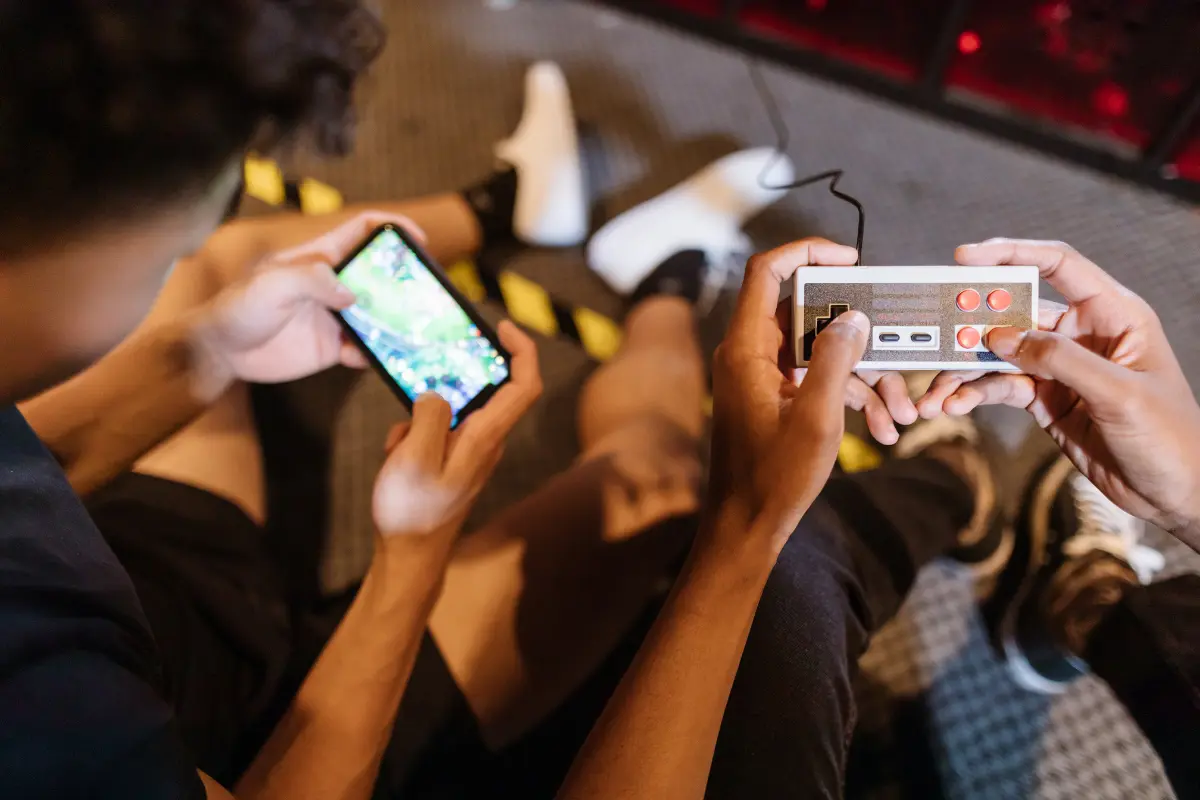
Online games are everywhere today. Whether you play on your phone, computer, or console, you are likely connected to other players across the world. But have you ever wondered what actually happens when you tap “Play”? How do you see other players moving in real time? How does the game know who won or lost?
If you are curious about what happens behind the screen, this guide will help you understand everything in a simple and clear way.
What Is an Online Game?
An online game is any game that uses the internet to connect players. Instead of playing alone or with someone sitting next to you, you play with people who may be in different cities or even different countries.
When you play online, your device communicates with other systems through the internet. These systems manage the game and make sure everyone sees the same actions.
The Basic Idea Behind Online Games
At the core, online games are about communication.
When you play:
- You press a button or move your character
- Your device sends that action to a system
- That system processes the action
- It sends the result back to all players
This happens very fast, often many times every second. That is why the game feels smooth and real.
Understanding the Client and Server
To understand online games, you need to know two important terms: client and server.
The Client (Your Device)
The client is your device. It could be your phone, laptop, or gaming console.
Your device:
- Shows the game on your screen
- Takes your inputs (movement, shooting, jumping)
- Sends your actions to the server
Think of it as your window into the game world.
The Server (The Game’s Brain)
The server is a powerful system that manages the game.
The server:
- Receives inputs from all players
- Decides what happens in the game
- Updates positions, scores, and actions
- Sends updates back to every player
The server ensures that the game stays fair and synchronized for everyone.
How You Get Into a Game
Before you start playing, a few things happen in the background.
Matchmaking
When you click “Play,” the game looks for other players to join you.
It tries to match you based on:
- Skill level
- Game mode
- Location (to reduce delay)
This process is called matchmaking.
Lobby System
Once players are found, you enter a lobby. This is like a waiting room before the game starts.
In the lobby:
- Players join the match
- The server prepares the game
- Settings are finalized
After this, the actual game begins.
What Happens During Gameplay
Now comes the most important part. What actually happens while you are playing?
Let’s break it down step by step.
- You press a button to move
- Your device sends this input to the server
- The server processes the input
- The server updates the game world
- The update is sent to all players
This loop happens continuously. That is how you can see other players moving and interacting in real time.
Real-Time Synchronization
One of the biggest challenges in online games is keeping all players in sync.
Imagine if:
- You see an enemy in one place
- But another player sees them somewhere else
That would make the game unfair and confusing.
To solve this, the server constantly updates all players so that everyone sees the same version of the game world.
This process is called synchronization.
What Is Ping and Why It Matter
You may have heard players talk about ping or lag. These are very important in online gaming.
Ping (Latency)
Ping is the time it takes for your data to travel to the server and come back.
- Low ping = fast response
- High ping = delay
If your ping is low, your actions happen quickly. If it is high, you may notice delays.
Lag
Lag happens when there is a delay in the game.
You might see:
- Characters jumping suddenly
- Shots not registering on time
- Movement feeling slow
Lag usually happens due to:
- Slow internet
- High server load
- Long distance from the server
Types of Online Game Connections
Not all online games work the same way. There are two main types of connections.
Server-Based Games
This is the most common type today.
In this system:
- A central server controls the game
- All players connect to this server
Benefits:
- More stable
- Better security
- Less cheating
Most popular games use this method.
Peer-to-Peer (P2P)
In this system:
- Players connect directly to each other
- There is no central server controlling everything
Benefits:
- Cheaper to run
Drawbacks:
- Less secure
- Can be unstable
- Easier for cheating
This method is less common in modern competitive games.
How Games Handle So Much Data
You might think that online games send huge amounts of data. But that is not true.
Instead of sending the entire game, your device only sends small pieces of information, like:
- Your position
- Your actions
- Your inputs
The server already has the game world. It just updates it based on player actions.
This makes online gaming fast and efficient.
The Role of Game Updates
Online games are always changing.
Developers regularly update games to:
- Fix bugs
- Add new features
- Improve performance
- Balance gameplay
These updates are managed through servers. That is why you often see updates before playing.
How Voice Chat and Messaging Work
Many online games allow you to talk or message other players.
When you use voice chat:
- Your voice is converted into data
- It is sent to the server
- The server sends it to other players
This process happens in real time, just like gameplay.
Security and Anti-Cheat Systems
Online games also need to stay fair.
Some players try to cheat using hacks or unfair tools. To prevent this, games use anti-cheat systems.
These systems:
- Monitor player behavior
- Detect unusual actions
- Block or ban cheaters
This helps maintain a fair experience for everyone.
Cross-Platform Gaming
Today, you can play with friends even if they use different devices.
For example:
- One player uses a phone
- Another uses a computer
- Another uses a console
All of them can play together in the same game.
This is called cross-platform gaming.
Why Servers Are Placed in Different Locations
You may notice that games let you choose a server region.
This is important because:
- The closer you are to the server, the lower your ping
- The farther you are, the higher the delay
That is why games have servers in different parts of the world.
What Happens When the Game Ends
When a match finishes:
- The server calculates results
- Scores and rankings are updated
- Rewards are given
- Data is saved to your account
This ensures your progress is stored safely.
Why Online Games Feel So Real
Online games feel realistic because of:
- Fast communication systems
- Powerful servers
- Smart game design
- Continuous updates
All these things work together to create a smooth and engaging experience.
Final Thoughts
Online games may look simple on the surface, but they are built on complex systems working together in real time.
When you play:
- Your device sends inputs
- The server processes everything
- All players receive updates
- The game stays synchronized
Understanding how online games work can help you appreciate the technology behind them. It can also help you improve your gaming experience by choosing better servers, managing your internet, and understanding issues like lag.
The next time you play an online game, you will know exactly what is happening behind the scenes.