
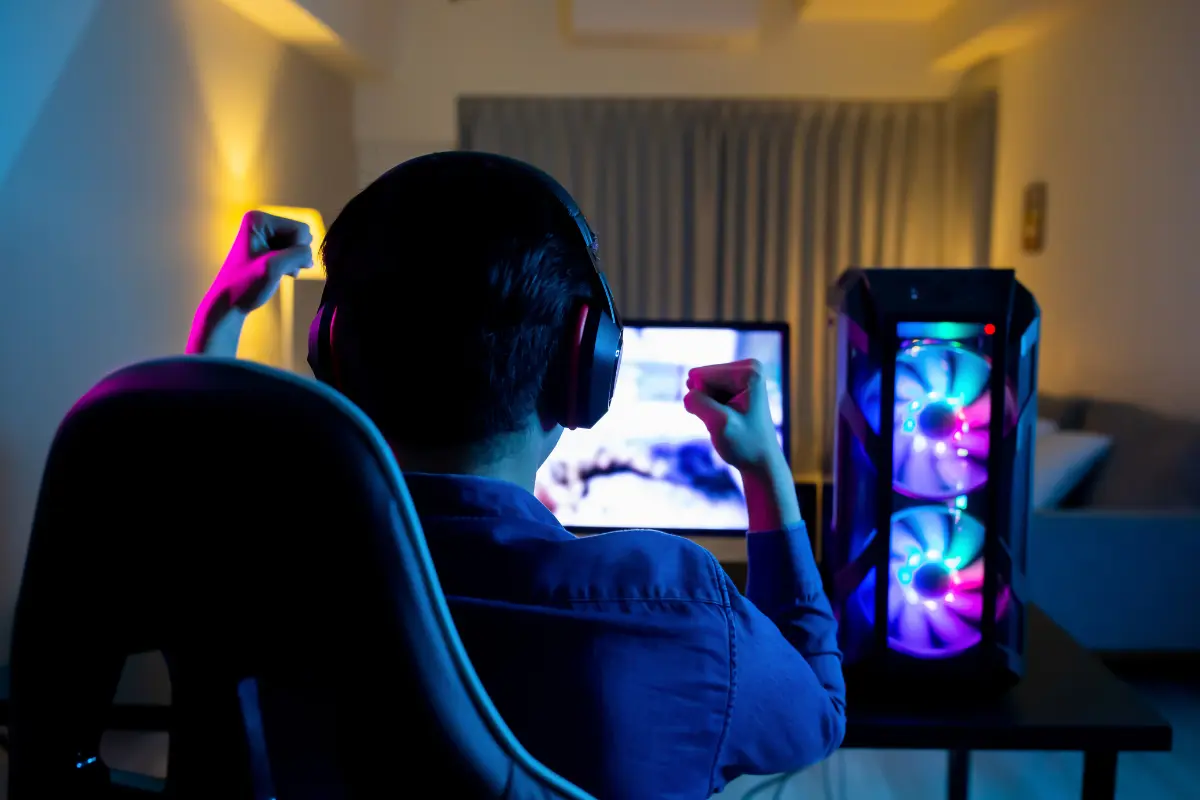
Online gaming has become a huge part of daily life in India. From teenagers playing battle royale games to working professionals relaxing with mobile strategy games after office hours, gaming is everywhere. With this growth, one common question keeps coming up: Are online games addictive?
Some people say yes. Some say no. The truth is more balanced than both extremes.
In this article, Online4Gaming.com takes a practical and realistic look at whether online games are addictive, how addiction actually works, and how you can maintain a healthy relationship with gaming.
What Does “Online Game Addiction” Actually Mean?
Before deciding whether online games are addictive, it is important to understand what “addiction” really means.
Addiction is not just liking something a lot. It is not about playing daily. It is not even about spending long hours occasionally.
Addiction usually involves:
- Loss of control: You try to reduce gaming time but fail repeatedly. Even when you plan to stop, you end up playing more.
- Negative impact on life: Your studies, work, sleep, relationships, or health start suffering because of gaming.
- Compulsive behaviour: You continue playing even after facing clear negative consequences.
If gaming starts affecting your daily responsibilities or mental well-being, then it may move towards problematic behaviour.
But here is the important part — enjoying online games regularly does not automatically mean you are addicted.
Are Online Games Addictive by Design?
Many people believe online games are addictive because they are designed to keep you engaged. There is some truth in this.
Modern online games use features like:
- Reward systems: You earn points, coins, skins, ranks, or achievements. These rewards trigger dopamine in your brain, which makes you feel good and want to continue.
- Daily login bonuses: When you receive rewards for logging in daily, you feel motivated not to miss a day.
- Competitive ranking systems: Climbing ranks creates excitement and pressure to improve constantly.
- Social elements: Playing with friends or teams builds emotional connection and responsibility.
These features are not necessarily harmful. They are part of good game design. However, for some people, especially those already stressed or emotionally vulnerable, these systems can increase the risk of excessive gaming.
So yes, online games can be highly engaging. But engagement is not the same as addiction.
Why Do Some People Become Addicted to Online Games?
Not everyone who plays online games becomes addicted. So why does it happen to some people?
There are several possible reasons:
Escapism from Real-Life Stress
If you are facing academic pressure, job stress, family issues, or personal struggles, gaming can feel like a safe escape. Over time, you may start depending on games to avoid dealing with real-life challenges.
When gaming becomes the primary coping mechanism, it may slowly turn unhealthy.
Social Validation and Identity
Online games give you status — ranks, achievements, respect from teammates. If you feel underconfident in real life, gaming success may become your main source of self-worth.
When identity becomes strongly attached to gaming performance, stepping away becomes difficult.
Lack of Structure and Time Management
If you do not have a structured daily routine, gaming can easily expand and take over free time. Without clear boundaries, “just one match” can become three hours.
In many Indian households, digital discipline is not taught early. So self-control depends entirely on personal awareness.
Are Online Games Always Harmful?
This is where balance is important.
Online games are not automatically harmful. In fact, they offer several benefits when played responsibly.
Cognitive Benefits
- Many games improve strategic thinking and decision-making skills. You learn to analyse situations quickly and adapt under pressure.
- Multiplayer games enhance coordination and reaction speed, especially in competitive formats.
Social Benefits
- Online gaming allows you to connect with friends, especially when physical meetups are not possible.
- Team-based games develop communication and teamwork skills, which are useful in real life too.
Stress Relief
- After a long day, playing for a short period can help you relax and refresh your mind.
- Gaming can serve as a healthy hobby if balanced with other activities.
The key word here is balance.
How Can You Tell If Your Gaming Is Becoming Problematic?
Instead of asking “Are online games addictive?”, it may be better to ask, “Is my gaming healthy?”
Here are some warning signs you should watch for:
- You neglect responsibilities: If assignments, work tasks, or household duties are repeatedly delayed because of gaming, it is a red flag.
- Sleep is affected: If you regularly stay up late for matches and feel tired the next day, it may harm your health long term.
- Mood changes: If you feel irritated, anxious, or restless when you cannot play, that could signal dependency.
- Loss of interest in other activities: When hobbies, exercise, or social outings feel boring compared to gaming, imbalance may be developing.
Occasional long sessions are normal. But consistent negative impact is not.
Are Indian Gamers More at Risk?
India has one of the fastest-growing gaming markets in the world. Affordable smartphones and cheap internet have made online gaming accessible to millions.
However, risk does not depend on nationality. It depends on:
- Personal personality traits
- Emotional condition
- Lifestyle balance
- Family environment
In India, academic pressure is high. Many students use gaming as relief. This is not wrong. But without guidance, excessive use can develop.
Parents often react by completely banning games. This usually increases secrecy rather than solving the problem. Instead, awareness and open discussion work better.
How Can You Maintain Healthy Gaming Habits?
If you enjoy online games but want to avoid addiction, here are practical steps you can follow:
- Set time limits: Decide in advance how long you will play. Stick to it strictly. Using alarms can help maintain discipline.
- Finish responsibilities first: Complete your studies, work, or chores before starting gaming. This prevents guilt and stress.
- Take regular breaks: Long continuous sessions strain your eyes and mind. A short break every hour improves focus.
- Keep multiple hobbies: Sports, reading, music, or fitness should also be part of your life. Gaming should not be your only source of joy.
- Track your emotions: Ask yourself honestly — are you playing for fun, or are you avoiding something?
Healthy gaming is about control. If you control the game, it is entertainment. If the game controls you, it becomes risky.
What About Professional Gaming and Long Hours?
A common question is: If someone plays 6–8 hours daily for esports, is that addiction?
Not necessarily.
Professional gamers treat gaming like a career. They follow schedules, training plans, physical exercise routines, and strategic practice sessions.
The difference lies in:
- Clear goals and discipline
- Structured practice
- Balanced lifestyle
Addiction involves chaos and loss of control. Professional gaming involves planning and control.
So, Are Online Games Addictive? The Balanced Answer
Now let us return to the main question: Are online games addictive?
The balanced answer is:
Yes, online games can become addictive for a small percentage of people, especially when used excessively as an emotional escape.
No, online games are not automatically addictive for everyone. Most players enjoy gaming without serious negative consequences.
Addiction depends more on how you play than what you play.
Conclusion: Gaming Is About Balance, Not Fear
Online gaming is neither a villain nor a miracle solution. It is a powerful form of entertainment.
If you:
- Maintain discipline
- Keep priorities clear
- Balance gaming with real-life responsibilities
- Stay self-aware
then gaming can remain a fun and rewarding part of your life.
Instead of asking only “Are online games addictive?”, ask a better question: “Is my gaming balanced and healthy?”
The answer to that question matters far more.
At Online4Gaming.com, we believe gaming should empower you — not control you.