
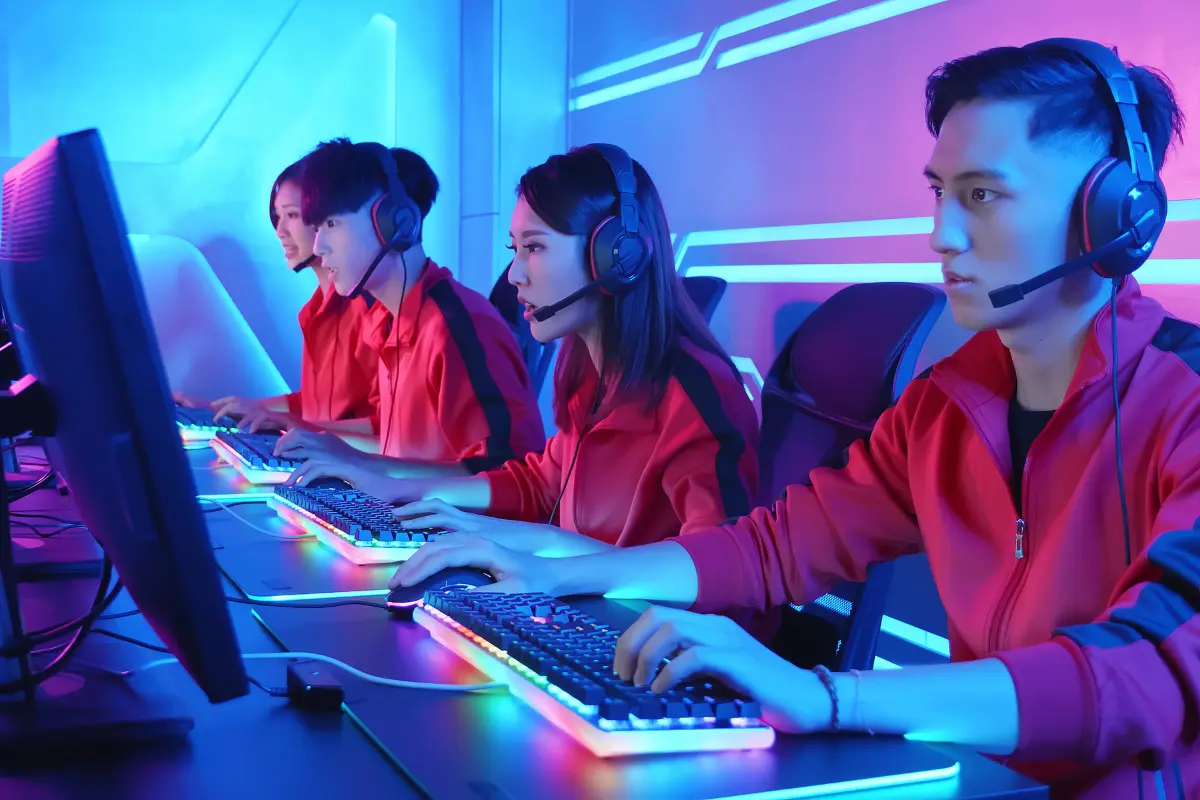
If you have ever played a multiplayer game, you already know one thing—winning is rarely about just you. It is about how well you and your team work together.
Whether you are playing a battle royale game, a team shooter, or even a cooperative mobile game, you are constantly interacting with others. You talk, plan, adjust, and sometimes even argue. But all of this is not just part of the game—it is training your brain to become better at teamwork.
In today’s world, team skills are more important than ever. Whether you are a student, a professional, or an entrepreneur, your success often depends on how well you work with others. Interestingly, multiplayer games create a safe and engaging space where you can develop these skills naturally.
Let’s understand how this happens and why it matters to you.
Why Multiplayer Games Are Different
Single-player games focus on your individual performance. You make decisions alone, and the results depend entirely on you.
Multiplayer games are different. They create a shared goal. You win or lose as a team. This changes your thinking completely.
Instead of asking, “How do I win?” you start asking:
- “How do we win?”
- “What should my role be?”
- “How can I support my team?”
This shift from “I” to “we” is the foundation of team skills.
You Learn Clear and Effective Communication
In multiplayer games, communication is everything.
You need to:
- Share information quickly
- Give instructions
- Alert teammates about danger
- Coordinate actions in real time
If your communication is unclear or slow, your team suffers.
Over time, you start learning how to:
- Speak clearly and to the point
- Listen actively
- Avoid unnecessary talk during critical moments
For example, instead of saying, “There might be someone somewhere,” you learn to say, “Enemy on the left, behind the wall.”
This habit of being precise is extremely useful in real life. Whether you are working on a project or leading a group, clear communication saves time and prevents confusion.
You Understand the Power of Collaboration
In most multiplayer games, no single player can do everything.
Each player has a role:
- One may lead the attack
- Another may provide support
- Someone may focus on defense or strategy
If even one person ignores their role, the team becomes weaker.
As you play more, you start understanding:
- Your strengths and weaknesses
- The importance of others’ roles
- How combining efforts leads to better results
You begin to trust that your teammates will do their part, just as you do yours.
This is exactly how real teams work—whether in school, business, or any organization.
You Become Better at Team Problem-Solving
Multiplayer games are full of challenges.
You face:
- Unexpected situations
- Strong opponents
- Changing environments
You rarely get time to think alone. You must solve problems as a team, and quickly.
For example:
- Should you attack or defend?
- Should you split or stay together?
- What strategy should you change?
These decisions often happen in seconds.
This improves your ability to:
- Think fast
- Consider multiple viewpoints
- Make decisions under pressure
In real life, especially in group projects or workplaces, problems are rarely solved alone. Your ability to think with others becomes a major strength.
You Develop Leadership Skills
Every team needs direction. In multiplayer games, leaders often emerge naturally.
A leader:
- Guides the team’s strategy
- Keeps everyone focused
- Makes quick decisions
- Encourages teammates
Even if you are not always the leader, you learn:
- When to step up
- When to follow
- How to support a leader
Sometimes, you will take charge. Other times, you will trust someone else to lead.
This balance is very important in real life. Good team players know both how to lead and how to follow.
You Build Trust in Others
Trust is not built in one moment. It develops through repeated experiences.
In multiplayer games:
- You rely on teammates to support you
- You depend on them to cover your weaknesses
- You expect them to stick to the plan
When they do, your trust grows. When they don’t, you learn to adapt.
Over time, you become more comfortable working with others. You understand that success depends on shared effort.
This mindset is valuable in any team environment. Trust allows teams to work faster, better, and with less stress.
You Learn Emotional Control
Games can be intense. You may face:
- Losses
- Mistakes by teammates
- Pressure situations
It is easy to get frustrated. But if you lose control, it affects the entire team.
With experience, you learn:
- To stay calm under pressure
- To focus on solutions instead of blame
- To handle both wins and losses maturely
You also learn to encourage others instead of criticizing them.
This emotional control is a powerful skill. In real life, teams often face stress and conflict. Your ability to stay composed makes you a better team member and leader.
You Learn Accountability
In multiplayer games, your actions affect everyone.
If you make a mistake:
- Your team may lose
- Others may need to compensate
This teaches you accountability.
You begin to:
- Take responsibility for your actions
- Improve your performance
- Avoid blaming others
At the same time, you also learn not to be too hard on yourself. Mistakes are part of learning.
This balanced approach—being responsible but not discouraged—is essential for growth in any team.
You Adapt to Different Personalities
Every multiplayer team is different.
You may play with:
- Aggressive players
- Quiet players
- Strategic thinkers
- Casual players
Not everyone will think or act like you.
You learn to:
- Adjust your style
- Understand different behaviors
- Work with people you don’t always agree with
This is one of the most valuable real-world skills.
In life, you will work with people from different backgrounds, attitudes, and skill levels. Your ability to adapt makes teamwork smoother and more effective.
You Experience Shared Goals and Collective Success
One of the best feelings in multiplayer games is winning as a team.
It is not just about your performance. It is about:
- Everyone contributing
- Everyone improving
- Everyone celebrating together
This creates a sense of belonging.
You start valuing:
- Team success over individual glory
- Cooperation over competition within the team
In real life, this mindset helps you focus on long-term success rather than short-term recognition.
You Practice Time Management and Coordination
Multiplayer games often require:
- Perfect timing
- Coordinated actions
- Planned movements
You cannot act randomly. You must act together, at the right moment.
This improves your sense of:
- Timing
- Planning
- Coordination
These skills are useful in daily life—whether managing deadlines, organizing tasks, or working in teams with schedules.
Are These Skills Useful in Real Life?
Yes, absolutely.
Think about situations in your life:
- Group assignments in school or college
- Team projects at work
- Managing a business or startup
- Participating in sports or community activities
All of these require:
- Communication
- Collaboration
- Problem-solving
- Leadership
- Emotional control
Multiplayer games give you a practice ground for these skills.
The best part is that you learn them naturally, without formal training.
But There Is a Balance
While multiplayer games can build strong team skills, balance is important.
You should:
- Avoid excessive gaming
- Focus on learning, not just winning
- Apply these skills in real-life situations
Games are a tool, not a replacement for real-world experience.
Final Thoughts
Multiplayer games are more than just a way to pass time. They are interactive environments where you constantly practice working with others.
When you play, you are:
- Communicating under pressure
- Collaborating with different people
- Solving problems as a group
- Learning leadership and trust
- Managing emotions and responsibility
These are the exact skills that successful teams rely on in real life.
So the next time you play a multiplayer game, look beyond the screen. Notice how you interact, how you adapt, and how you grow.
Because in many ways, you are not just playing a game—you are learning how to be a better team player.