
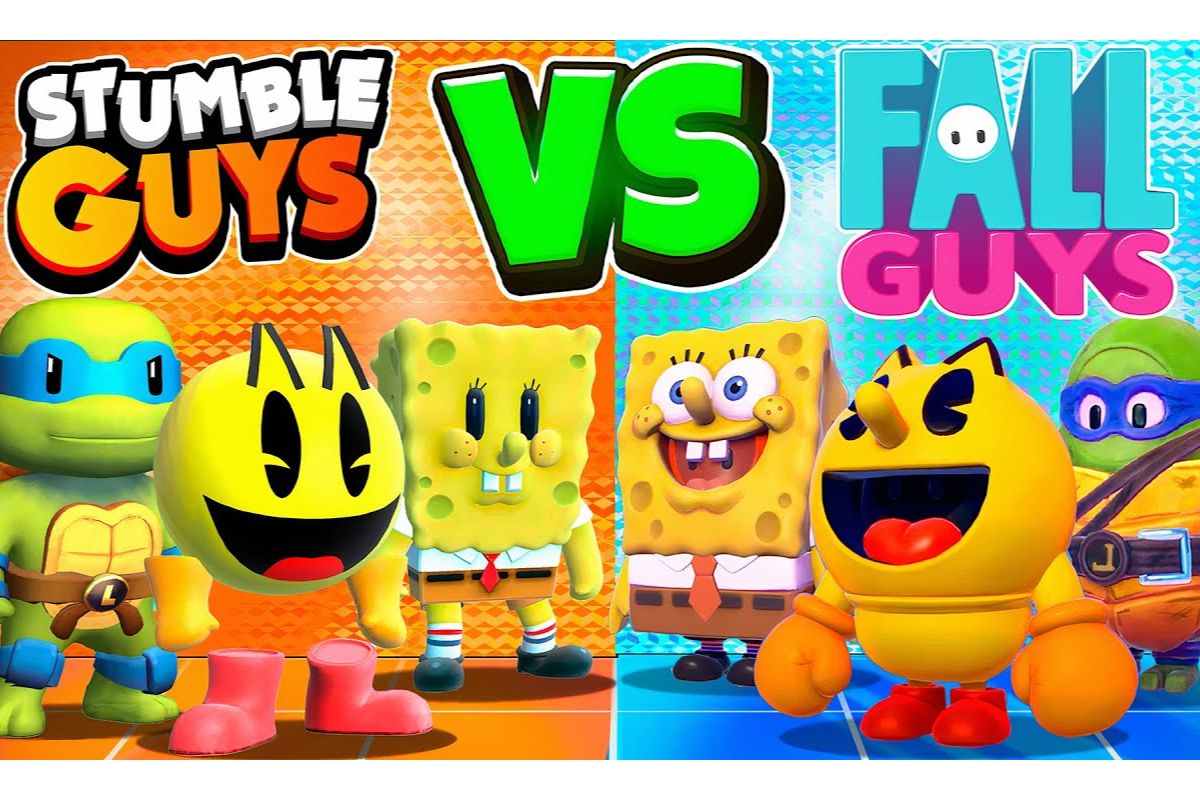
If you have played Stumble Guys, you already know one thing: winning feels random. One match you reach the final easily, and the next match you get eliminated in the first round because someone bumped you or an obstacle knocked you off.
This guide is written to change that feeling.
By the end of this article, you will understand why you lose, what skilled players do differently, and how you can start winning more consistently, even if you are not a fast or aggressive player.
Understanding the Real Nature of Stumble Guys
Before learning how to win, you need to understand what kind of game Stumble Guys really is.
- It is not a speed-only game.
- It is not a luck-only game.
- It is not a fighting game either.
Stumble Guys is a movement, positioning, and decision-making game.
Yes, luck exists. Yes, other players can ruin your run. But over many matches, good decisions always win more often than bad ones. Skilled players do not win every match, but they reach finals again and again. That is consistency.
Your goal is not to win every match.
Your goal is to reach the final round as often as possible.
When you do that, wins will come naturally.
Master the Basics Before Anything Else
Many players lose because they never truly learn the basics. They rush, panic, and mash buttons.
Movement Control Is Everything
You only have three main actions:
- Move
- Jump
- Dive
If you spam jump and dive randomly, you lose control of your character. Instead:
- Jump only when needed
- Dive only when you are sure it helps
Diving is not for fun. Diving is for finishing jumps, escaping pushes, or sliding ahead near the finish line.
If you dive too early or too often, you fall and lose time.
Learn to Slow Down (This Wins Games)
Most players think faster is better. In Stumble Guys, timing beats speed.
When you rush:
- You hit obstacles
- You get pushed by crowds
- You fall more often
When you slow down:
- You see obstacle patterns
- You choose better paths
- You stay on your feet
If you feel stressed while playing, that usually means you are rushing. Calm movement wins more games than aggressive movement.
Avoid Crowds Like Your Life Depends on It
Crowds are the biggest hidden enemy in Stumble Guys.
When many players run together:
- You get bumped
- You lose balance
- You fall without making mistakes
Whenever possible, take the side paths. Even if they look slightly longer, they are safer.
Being alone on a path is often faster than being stuck in chaos.
Understanding Maps Instead of Reacting to Them
Every map has patterns. Obstacles are not random. They repeat movements.
When you play a map for the first time, you react.
When you play it many times, you predict.
Prediction is what separates average players from consistent winners.
What You Should Observe on Every Map
- Where players usually fall
- Which obstacles move fast and which move slow
- Where crowds form
- Where you can pause safely
Once you know this, you stop panicking.
Jump and Dive: Use Them the Right Way
Smart Jumping
- Jump slightly earlier than you think
- Never jump into moving obstacles
- Jump after obstacles move away, not before
Smart Diving
- Dive only to extend a jump
- Dive near finish lines for a small speed boost
- Never dive in crowded areas unless escaping
Diving makes you vulnerable for a moment. If someone touches you during that moment, you fall.
Using Other Players Without Fighting Them
You do not need to punch or grab everyone to win.
Sometimes, other players can actually help you:
- They trigger traps before you reach them
- They get hit by obstacles instead of you
- They show safe paths
Stay slightly behind the front group, but ahead of the crowd. This position is ideal.
Winning Race Rounds Consistently
Race rounds are about clean movement, not aggression.
Key Race Tips
- Do not fight near the start
- Choose safe lanes
- Use dives only near the end
- If you fall, get up calmly and continue
One mistake does not mean elimination. Panic after a mistake causes elimination.
Winning Survival Rounds Consistently
Survival rounds eliminate players slowly. Your goal is not to show skill, but to stay alive.
Best Survival Strategy
- Stay near the center
- Keep distance from others
- Move only when necessary
- Watch patterns instead of players
Players lose survival rounds because they chase others or stand near edges.
The edge is dangerous. The center is safety.
Final Rounds: Where Real Skill Matters
Final rounds are different. Here, aggression becomes more useful, but still risky.
How to Win Finals More Often
- Be patient early
- Let others make mistakes
- Use grabs or punches only when safe
- Never panic near the edge
Many finals are won by the player who moves the least, not the one who attacks the most.
Mental Control Is a Hidden Skill
Your mindset affects your gameplay more than you think.
Bad Mindset
- “This game is rigged”
- “Everyone is targeting me”
- “I always lose finals”
Good Mindset
- “I will play clean”
- “I will survive longer”
- “I will learn from this round”
When you stop blaming the game and start observing your mistakes, your win rate improves automatically.
Practice the Right Way
Playing more helps, but playing with awareness helps more.
After each elimination, ask yourself:
- Why did I fall?
- Was I rushing?
- Was I too close to others?
- Did I misjudge timing?
You do not need hours of grinding. You need focused matches.
Why You Feel Like You Never Win (And How to Fix It)
Most players lose because:
- They rush every round
- They stay in crowds
- They dive too much
- They panic after mistakes
Fix these four habits and your performance improves dramatically.
A Simple Consistency Checklist
Before every match, remember:
- Stay calm
- Avoid crowds
- Time jumps
- Use dives wisely
- Play for survival first, not speed
Winning becomes a result, not a goal.
Final Thoughts: Consistency Over Perfection
You will never win every match in Stumble Guys. No one does.
But you can:
- Reach finals more often
- Survive longer
- Make fewer mistakes
- Win consistently over time
When you stop chasing wins and start mastering control, awareness, and patience, the game becomes easier and more fun.