
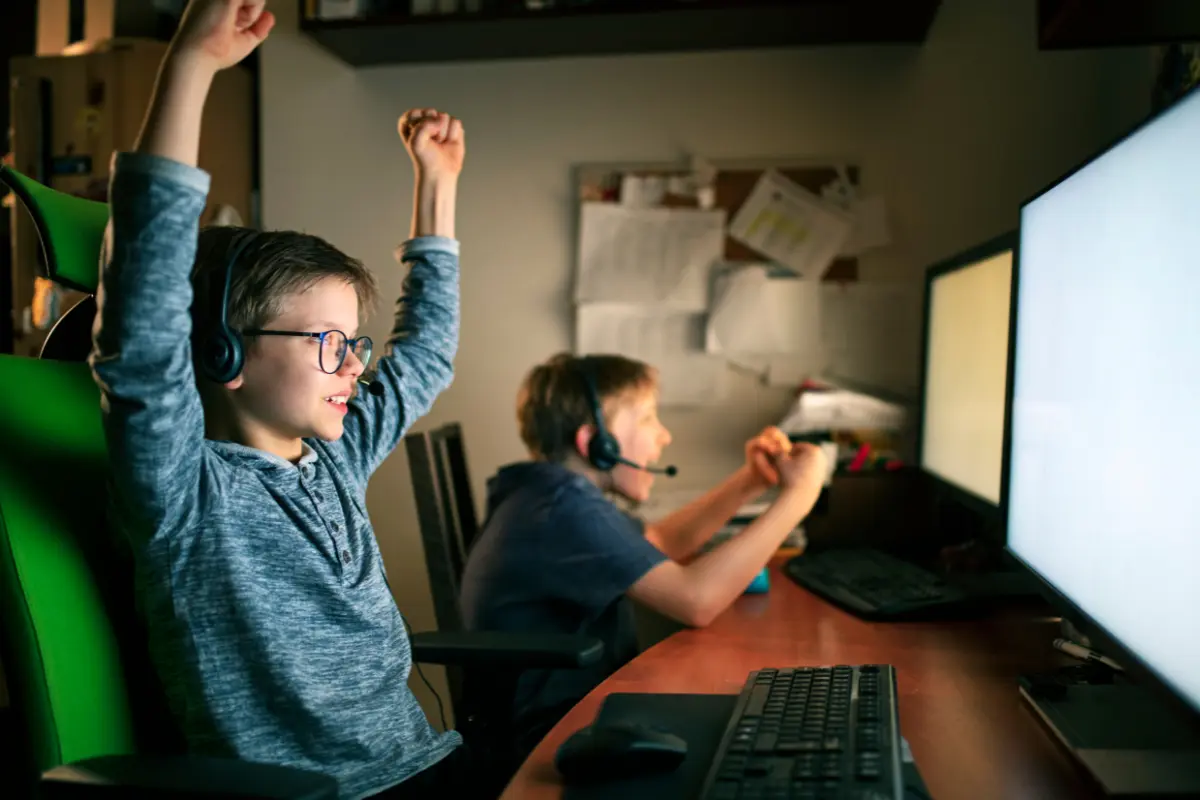
In today’s digital world, children are growing up with smartphones, tablets and laptops around them. Online gaming has become a common part of their daily routine. While games can improve creativity, logical thinking and even academic skills, many parents worry about safety.
If you are searching for safe online games for children, this guide will help you understand what to look for, which platforms are generally considered safer, and how you can protect your child while allowing them to enjoy gaming in a healthy way.
What Are Safe Online Games for Children?
When we talk about safe online games for children, we mean games that:
- Do not contain violent, inappropriate or adult content. Children should not be exposed to themes that are beyond their age or maturity level.
- Have strong privacy controls. Safe games protect your child’s personal information and do not allow strangers to easily contact them.
- Avoid aggressive advertisements and in-app purchases. Many games push children to buy items repeatedly, which can lead to financial and emotional issues.
- Offer educational or skill-based value. The best games combine entertainment with learning, helping children improve memory, problem-solving, language or maths skills.
Safety is not only about the game itself. It also includes how the game handles chat features, friend requests, and online interactions.
Why Is Online Game Safety So Important in India?
In India, smartphone usage has increased rapidly. Even children in small towns now have access to affordable internet. While this is a positive development, it also increases risks.
Many free gaming platforms:
- Do not clearly show age ratings.
- Contain random advertisements that may not be child-friendly.
- Allow open chat with strangers without strict moderation.
As a parent, you may not always know what your child is seeing or who they are talking to. That is why choosing safe online games for children is not optional anymore — it is necessary.
How Can You Identify Safe Online Games for Children?
Before allowing your child to play any game, ask yourself a few simple questions:
Does the Game Have Clear Age Guidelines?
Look for age recommendations. Even if the game looks cartoonish, it may contain hidden chat features or competitive elements not suitable for younger children.
If a game does not clearly mention age suitability, it is better to research it properly before allowing access.
Does It Allow Open Chat With Strangers?
Many online games include live chat features. While social interaction can be positive, open chat with strangers can expose children to cyberbullying or inappropriate messages.
Safe games usually:
- Disable chat for younger users.
- Use pre-set message options instead of open typing.
- Offer strong moderation tools.
Are There Too Many Advertisements?
Some “free” games show frequent pop-up ads. These ads may redirect children to unknown websites. A safe online game should not bombard your child with ads every few minutes.
If you notice excessive ads, consider removing the game.
Which Types of Safe Online Games Are Best for Children?
Not all games are risky. In fact, many games are designed specifically for learning and development.
Here are some safer categories you can consider:
Educational Games
Educational games combine learning with fun. They help children understand subjects like maths, English, science and general knowledge in an interactive way.
For example:
- Puzzle-based maths games improve logical reasoning.
- Vocabulary games help improve English skills.
- Memory games strengthen concentration.
These games are especially useful for children below 12 years.
Creative and Building Games
Games that allow children to build structures, draw, design or create stories can be beneficial. They improve imagination and problem-solving skills.
However, always check whether these games allow interaction with strangers. Even creative games should have restricted communication options.
Offline Mode Games
If you are worried about online safety, choose games that offer offline modes. Offline games do not require internet access, which automatically reduces exposure to unknown users.
This is one of the safest options for younger children.
How Can You Make Online Gaming Safer at Home?
Even the most carefully selected safe online games for children need supervision. Technology alone cannot guarantee complete safety.
Here are practical steps you can take:
Set Time Limits
Gaming should not replace studies, physical activity or family time. Fix clear time limits for gaming and follow them consistently.
For example:
- Allow gaming only after homework is completed.
- Limit playtime to one hour per day on school days.
Consistency builds discipline.
Play Together Sometimes
When you occasionally sit with your child and watch or play the game, you understand what they are experiencing.
This also:
- Builds trust between you and your child.
- Encourages open discussion about online behaviour.
- Makes your child more comfortable sharing concerns.
Use Parental Controls
Most smartphones and tablets offer built-in parental controls. These tools allow you to:
- Block in-app purchases.
- Restrict downloads of age-inappropriate apps.
- Monitor screen time.
You do not need advanced technical knowledge to use these features. Basic settings can make a big difference.
Talk About Online Safety
Explain to your child:
- Never share personal details like address, school name or phone number.
- Do not accept friend requests from unknown people.
- Inform you immediately if someone sends uncomfortable messages.
Simple conversations can prevent serious problems.
Are Multiplayer Games Safe for Children?
Multiplayer games are very popular because they allow children to compete or cooperate with others. However, these games come with higher risks.
If your child wants to play multiplayer games:
- Ensure privacy settings are set to “Friends Only” instead of “Public.”
- Disable voice chat if possible. Voice chat can expose children to inappropriate language.
- Check the friend list regularly.
Multiplayer games are not automatically unsafe, but they require extra attention.
What Are the Common Risks of Unsafe Online Games?
Understanding risks helps you stay alert.
Some common dangers include:
Cyberbullying
Children may face negative comments or harassment from other players. This can affect their confidence and mental health.
Gaming Addiction
Some games are designed to keep players engaged for long hours. Without time limits, children may become addicted, affecting studies and sleep.
In-App Purchase Pressure
Many games encourage buying virtual coins, skins or power-ups. Children may feel pressured to spend money to compete with others.
Exposure to Inappropriate Content
Violent or adult-themed content can influence behaviour and thinking patterns in young children.
When you choose safe online games for children carefully, these risks reduce significantly.
How Can Online4Gaming.com Help Parents?
Platforms like Online4Gaming.com can play an important role by:
- Reviewing games based on safety and age suitability.
- Providing honest information about chat features and advertisements.
- Suggesting safer alternatives for popular but risky games.
When gaming websites focus on responsible recommendations, parents feel more confident.
Should You Completely Ban Online Games?
Completely banning games may not always be the best solution. Gaming is a part of modern childhood. Instead of banning, guiding is more effective.
When you choose safe online games for children and set proper boundaries:
- Children learn digital discipline.
- Gaming becomes educational and enjoyable.
- Family trust improves.
The goal is balance, not restriction.
Conclusion: How to Ensure Safe Online Gaming for Your Child
Finding safe online games for children may feel confusing at first, but it becomes easier once you understand what to look for.
Always check age ratings, review privacy settings, and monitor chat features. Prefer educational and creative games over aggressive competitive ones. Set time limits and maintain open communication.
Online gaming is not the enemy. Unsafe gaming habits are.
When you stay informed and involved, your child can enjoy online games safely, learn new skills, and develop digital confidence in a healthy way.